Renewable Energy and Sustainability: Advances in Solar Panels and Their Applications in Rural Communities
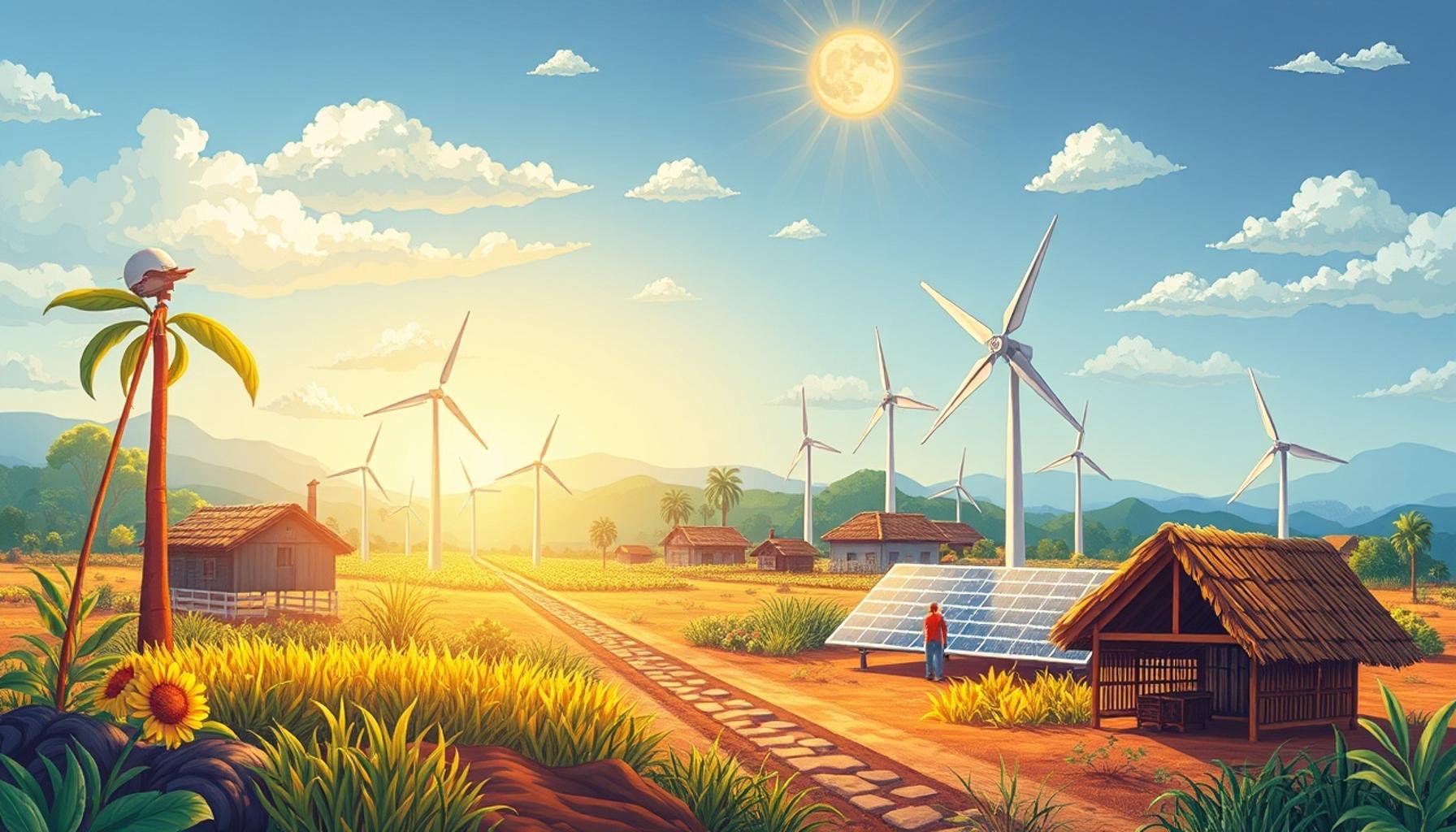
The Role of Solar Energy in Rural Communities
As the global community moves towards greater sustainability, renewable energy sources like solar power are becoming increasingly crucial. Rural communities, in particular, are finding significant advantages in utilizing solar energy. This transition is important not only for environmental sustainability but also for fostering economic growth and improving quality of life.
Advantages of Modern Solar Technology
Recent advancements in solar technology have markedly increased the benefits associated with solar panels:
- Improved Efficiency: Modern solar panels have reached efficiency rates upwards of 20%, enabling them to convert more sunlight into usable electricity. This higher output means that even smaller installations can meet the energy needs of a household or community, making them a practical choice for rural areas.
- Cost Reduction: Over the past decade, the cost of solar technology has dropped by nearly 90%. This dramatic reduction has made solar power much more accessible to rural households, where budgets may be tighter, allowing families to invest in solar energy solutions without the burden of high expenses.
- Environmental Impact: Solar energy is a clean and renewable resource. By utilizing solar panels, rural communities can significantly reduce their reliance on fossil fuels, leading to a marked decrease in greenhouse gas emissions that contribute to climate change. For instance, a standard residential solar panel system can eliminate approximately 2 to 3 tons of carbon dioxide emissions annually.
Tailored Applications for Rural Needs
Solar energy isn’t just one-size-fits-all; it offers diverse applications specifically tailored to address the unique needs of rural regions:
- Home Energy Solutions: For rural homes located far from traditional power grids, off-grid solar systems are a lifeline. These systems provide essential electricity for lighting, refrigeration, and other daily needs, greatly enhancing the quality of life.
- Community Projects: Solar arrays can be installed at community centers to power essential services such as schools and health clinics. This enhances the educational environment and improves access to medical care, directly impacting the community’s well-being.
- Agriculture Support: Farmers in rural areas can utilize solar-powered irrigation systems to optimize water management. These systems help reduce water consumption and improve crop yields, contributing to food security and increased profits.
Looking Towards a Sustainable Future
As solar technology continues to progress, its integration into rural communities is transforming from a mere possibility to a tangible reality. Communities that understand these advancements are equipped not only to harness solar power but also to encourage sustainable practices that support their economy and environment.
In conclusion, embracing solar energy offers a pathway for rural areas to achieve energy independence, enhance living standards, and protect our planet for future generations. With growing awareness and supportive policies, the potential of solar energy is boundless, paving the way for a greener and more sustainable future.
DISCOVER MORE: Click here to learn how to apply for a Wells Fargo personal loan</p
Advantages of Modern Solar Technology
Recent advancements in solar technology have markedly increased the benefits associated with solar panels. These improvements make solar power a compelling option for rural communities striving for sustainable energy solutions. Understanding these advantages can help communities make informed decisions when considering solar installations.
- Improved Efficiency: Modern solar panels have reached efficiency rates upwards of 20%, enabling them to convert more sunlight into usable electricity. This higher output means that even smaller installations can meet the energy needs of a household or community, making them a practical choice for rural areas. For example, a compact solar array can power essential appliances in a rural home, allowing families to thrive even in remote locations.
- Cost Reduction: Over the past decade, the cost of solar technology has dropped by nearly 90%. This dramatic reduction has made solar power much more accessible to rural households, where budgets may be tighter. With lower initial investment needed, families can adopt solar energy solutions without the burden of high expenses. Many states also provide incentives and rebate programs that further lessen the financial impact, making solar energy an attractive choice.
- Environmental Impact: Solar energy is a clean and renewable resource. By utilizing solar panels, rural communities can significantly reduce their reliance on fossil fuels, leading to a marked decrease in greenhouse gas emissions that contribute to climate change. For instance, a standard residential solar panel system can eliminate approximately 2 to 3 tons of carbon dioxide emissions annually. This transition not only benefits the environment but also sets an example for future generations on the importance of sustainability.
Tailored Applications for Rural Needs
Solar energy isn’t just one-size-fits-all; it offers diverse applications specifically tailored to address the unique needs of rural regions. Here are a few practical examples:
- Home Energy Solutions: For rural homes located far from traditional power grids, off-grid solar systems act as a lifeline. These systems provide essential electricity for lighting, refrigeration, and other daily needs, greatly enhancing the quality of life. Many families are now enjoying the independence that comes with producing their own energy.
- Community Projects: Solar arrays can be installed at community centers to power essential services such as schools and health clinics. These installations can enhance the educational environment and improve access to medical care, directly impacting the community’s well-being. For instance, a small community center powered by solar energy can offer free workshops or health screenings, creating a hub for support and services.
- Agriculture Support: Farmers in rural areas can utilize solar-powered irrigation systems to optimize water management. These systems help reduce water consumption and improve crop yields, contributing to food security and increased profits. Successful implementation of solar-powered pumps has been shown to liberate farmers from costly fuel expenses, enabling them to reinvest in their farms.
By leveraging these tailored applications, rural communities can transform their energy landscape, enriching lives and stimulating local economies. This shift towards solar energy not only meets immediate needs but also builds a foundation for sustainable growth.
DISCOVER MORE: Click here to learn about how interest rates affect your personal credit
Innovative Financing Models
One of the major barriers to solar adoption in rural communities is the upfront cost associated with installing solar panels. However, innovative financing models have emerged to alleviate this challenge, making solar energy more accessible and appealing for families and businesses alike. Understanding these models can empower communities to invest in renewable energy confidently.
- Power Purchase Agreements (PPAs): In a Power Purchase Agreement, a third-party investor finances the solar panel installation and the homeowner agrees to buy the electricity generated at a predetermined rate. This arrangement allows families to benefit from solar energy without the large initial investment. It can be especially beneficial for rural households that may lack the capital for installation.
- Community Solar Programs: These programs allow individuals to invest in a shared solar energy project rather than installing panels on their own roofs. Such initiatives make solar power available to residents who may rent their properties or have unsuitable roofs. By participating in a community solar project, families can enjoy lower utility bills and support local renewable energy development.
- Solar Loans and Zero-Down Financing: Various financial institutions now offer specialized solar loans that come with lower interest rates, allowing homeowners to pay off their solar investments over time. Additionally, some programs offer zero-down financing options, which enable families to install solar systems without any upfront costs. This flexibility permits communities to transition to sustainable energy while managing their finances effectively.
Job Creation and Economic Growth
The rise of solar energy not only contributes to environmental sustainability but also drives economic growth in rural areas through job creation. The implementation of solar technology has led to diverse employment opportunities, which are crucial for communities often facing economic challenges.
- Installation Jobs: As the demand for solar installations increases, there is a higher demand for skilled labor in solar panel installations. Local technicians and contractors can find work, leading to a surge in job opportunities within the community. This trend enhances local economies and strengthens the workforce.
- Maintenance and Repair Services: Once solar arrays are installed, they require ongoing maintenance and occasional repairs. This need fosters the development of local businesses that specialize in solar technology maintenance, ensuring a steady flow of job opportunities in the community. Residents who obtain training in renewable energy systems can contribute to this growing sector.
- Economic Resilience: Investing in solar infrastructure can improve the overall economic resilience of rural communities. By decreasing dependency on volatile fossil fuel markets, towns can create a more stable economic environment. This self-sufficiency empowers communities and enables them to invest in other key areas such as education, health, and infrastructure.
As communities embrace these innovative financing solutions and the associated job opportunities, they not only enhance their economic landscape but also promote sustainability and energy independence. Emphasizing the dual benefits of solar technology can help rally support for renewable energy initiatives across rural America.
DISCOVER MORE: Click here for free clothing tips
Conclusion
In summary, the advancements in solar panel technology are playing a pivotal role in shaping a sustainable future for rural communities across the United States. By breaking down the financial barriers to solar adoption through innovative financing models like Power Purchase Agreements and community solar programs, families are empowered to transition to renewable energy without the burden of hefty upfront costs. This newfound accessibility not only helps households reduce their energy expenses but also strengthens the local economy.
Moreover, the proliferation of solar energy is creating significant job opportunities in areas such as installation, maintenance, and technical support. These employment prospects are vital for rural areas, where economic challenges can often hinder growth. By investing in solar infrastructure, communities are not just enhancing their energy security but are also fostering a more resilient economy, less susceptible to fluctuations in fossil fuel prices.
As we look toward the future, it is essential for policymakers, businesses, and community leaders to continue supporting the growth of solar energy initiatives. This commitment will not only facilitate energy independence but also contribute to broader environmental goals, helping to combat climate change. By embracing solar technology, rural communities can pave the way for a sustainable future that benefits both their residents and the planet.

Linda Carter
Linda Carter is a writer and expert known for producing clear, engaging, and easy-to-understand content. With extensive experience in guiding people as they pursue their goals, she shares valuable insights and practical advice. Her mission is to help readers make informed choices and achieve meaningful progress.