

Sustainability and Technology: Innovations Redefining the Energy Industry
Understanding the Role of Technology in Sustainable Energy
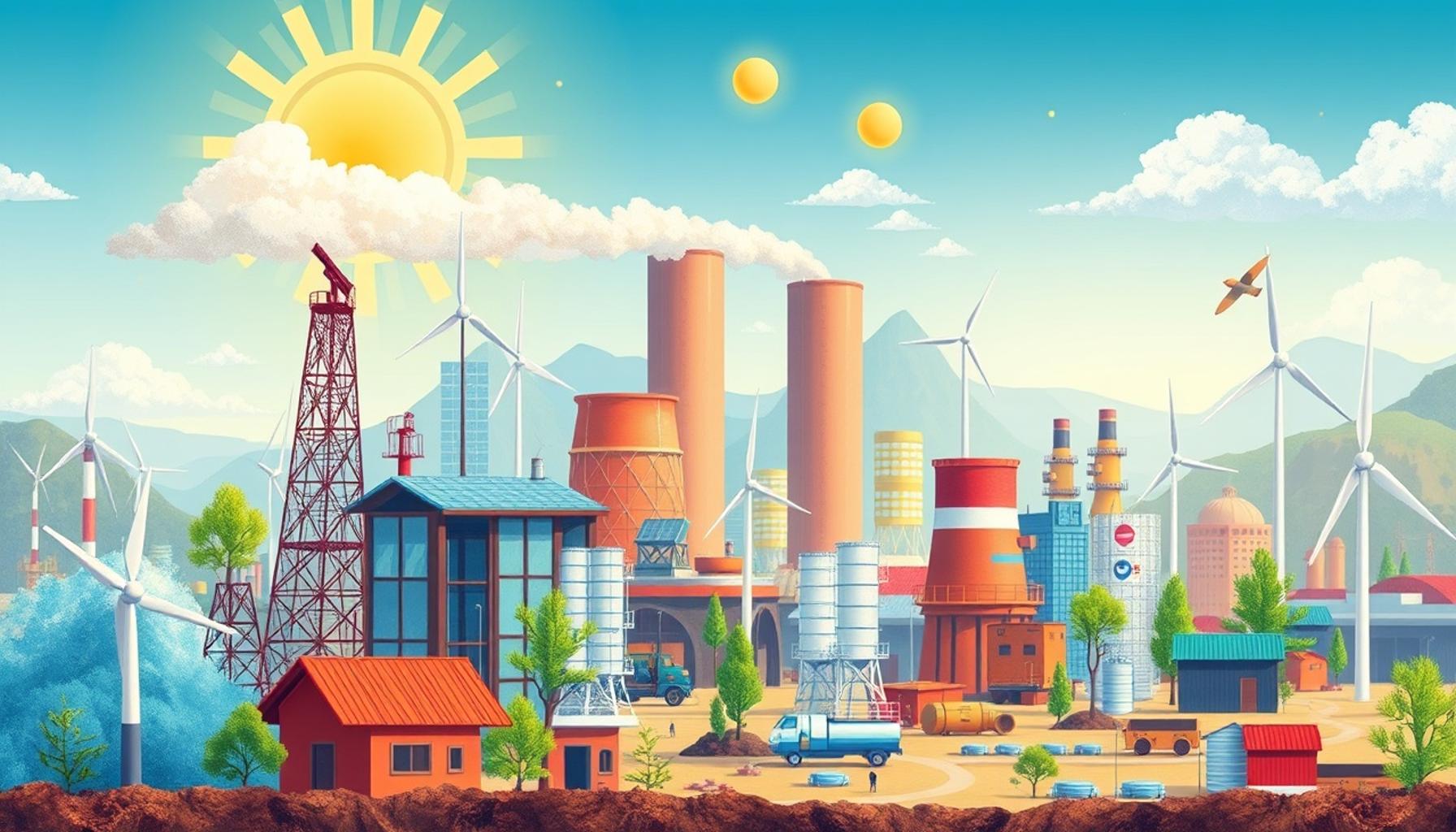
In recent years, there has been a significant shift toward integrating technology with sustainable practices in the energy sector. This shift is primarily driven by the urgent need to address climate change and reduce the negative impacts of traditional energy production on the environment. As a result, innovative technologies are emerging, enabling us to not only enhance energy efficiency but also ensure a greener future for generations to come.
Solar Energy Advancements
Solar panels have undergone remarkable advancements in efficiency and affordability. Modern photovoltaic cells can convert more sunlight into usable energy than ever before. For example, new solar technologies, such as bifacial panels, capture sunlight from both sides, increasing their overall energy output. With costs decreasing significantly over the past decade, solar power is becoming a feasible option for many homeowners and businesses across the United States, particularly in sunny states like California and Arizona. Incentives such as the federal solar tax credit further encourage adoption, making it an attractive investment.
Smart Grids
Smart grid technologies represent a transformative leap in how electricity is distributed and managed. These systems incorporate digital communication technology to optimize electricity flow, integrating renewable energy sources more effectively. For instance, smart meters provide real-time data on energy consumption, helping consumers make informed decisions about their usage. Utilities can also use this information to manage energy loads more efficiently, reducing waste and creating a more reliable supply. The implementation of smart grids can significantly decrease the environmental impact of energy distribution while enhancing grid resilience.
Energy Storage Solutions
The development of energy storage technologies has been crucial for maximizing the use of renewable energy. Advances in battery technologies, such as lithium-ion and solid-state batteries, allow for greater energy storage capacities and improved efficiency. These innovations enable households and businesses to store excess energy generated during sunny days for use during the night or on cloudy days. For example, Tesla’s Powerwall is designed to store solar energy for residential use, making homes less reliant on the grid and further promoting the use of renewable energy sources.
Electric Vehicles (EVs)
The rise of electric vehicles has emerged as a game-changer in the transportation sector. With growing concerns over fossil fuel dependency, EVs offer a cleaner alternative, significantly lowering greenhouse gas emissions. States like California have taken the lead in promoting electric vehicles by establishing incentives for EV purchases and expanding charging infrastructure. Companies like Tesla, Nissan, and Chevrolet have introduced models that not only reduce emissions but also provide drivers with an enjoyable and energy-efficient driving experience. The proliferation of electric vehicles promises to contribute to cleaner air and a reduction in overall energy consumption, especially as the charging networks expand.
In conclusion, the convergence of technology and sustainability is pivotal in reshaping the energy landscape. Each of these innovations offers a pathway to **a more sustainable future**. As we delve deeper into these developments, it becomes increasingly clear that embracing these technological advances can lead to significant economic benefits while also contributing positively to our environment. Understanding their impact on our daily lives and the broader energy market is essential for anyone interested in how we can foster a cleaner, more efficient energy future.
DISCOVER MORE: Click here to find out how
Technological Innovations for a Greener Tomorrow
As our global community grapples with the pressing challenges posed by climate change, the energy industry stands at the forefront of the battle for sustainability. Innovative technologies are emerging that not only reshape how energy is produced but also enhance its efficiency and reduce environmental impact. To understand the depth of these advancements, it is crucial to explore various facets of technological innovation that are leading the way toward a sustainable energy future.
Wind Energy Breakthroughs
Wind energy has seen significant developments, becoming one of the most sustainable sources of power generation. Advancements in turbine design have greatly increased their efficiency and output. Modern turbines can now harness wind at lower speeds, making wind energy viable in a broader range of geographical locations. The use of larger, more efficient blades allows for greater energy capture, while offshore wind farms are being developed to tap into the potent wind currents over the ocean. For example, the Block Island Wind Farm off the coast of Rhode Island has made strides in demonstrating how offshore wind can contribute significantly to local energy needs.
Distributed Energy Resources (DER)
The rise of distributed energy resources is another game-changer in the energy landscape. DER includes localized energy generation technologies such as solar panels, small wind turbines, and combined heat and power systems. This decentralization allows homeowners and businesses to produce their own electricity, reducing the strain on traditional power grids. For example, a neighborhood equipped with solar panels and battery storage can significantly reduce their reliance on external electricity sources, which not only promotes energy independence but also minimizes transmission losses that typically occur when energy is shipped long distances. Additionally, communities can engage in peer-to-peer energy trading, facilitating local energy exchanges that benefit both producers and consumers.
Energy Efficiency Technologies
Enhancing energy efficiency is a critical component of sustainability. Innovative technologies are being developed to reduce energy consumption in homes, commercial buildings, and industrial processes. For instance, smart thermostats are increasingly being adopted as they learn user preferences and optimize heating and cooling schedules, which can lead to significant reductions in energy usage. Moreover, the integration of LED lighting technology offers an energy-efficient alternative to traditional incandescent bulbs, using up to 75% less energy and lasting significantly longer. The application of energy-efficient appliances, such as ENERGY STAR-rated devices, further complements these efforts by providing consumers with options that yield both cost savings and environmental benefits.
These innovations highlight the critical relationship between technology and sustainability, showcasing how modern advancements are redefining the energy industry. As we explore more innovative solutions, it is essential to recognize not only their ecological importance but also their potential to drive economic growth and job creation in the renewable energy sector.
Conclusion
In summary, the intersection of sustainability and technology presents a promising path for the future – an opportunity to create an energy landscape that prioritizes environmental health while sustaining economic growth. As various technologies continue to advance, understanding their implications for energy production and consumption becomes vital for consumers, businesses, and policymakers alike. By embracing these innovations, we can collectively work toward a cleaner and more sustainable energy future.
DISCOVER MORE: Click here for essential budgeting strategies
Smart Grids and Energy Storage Solutions
As energy demand fluctuates and renewable sources become more prevalent, the need for a reliable and efficient energy distribution system is paramount. Smart grids represent a significant evolution in traditional electricity networks, integrating advanced technologies to enhance the efficiency and resilience of energy distribution. Unlike conventional grids, smart grids utilize digital communication technology to monitor and manage energy flow in real time. This ability allows for quick responses to changes in energy demand and supply, reducing outages and minimizing waste. For instance, during periods of high energy usage, smart grids can automatically reroute energy or engage backup resources to meet demand without compromising reliability.
Energy Storage Innovations
Another pivotal element in the quest for sustainable energy is the development of energy storage solutions. As renewable energy sources like solar and wind are inherently intermittent, effective storage is essential for ensuring a steady energy supply. Innovations in battery technology, such as lithium-ion batteries and emerging alternatives like solid-state batteries, have made significant strides in efficiency and capacity. These advancements allow for large-scale storage, meaning excess energy generated during sunny or windy days can be stored and used during periods when energy generation is low. For example, California’s energy storage projects leverage these technologies to enable greater adoption of solar power while maintaining a reliable energy supply.
Electric Vehicles and Infrastructure
The rise of electric vehicles (EVs) is transforming the energy landscape as well, serving as both an alternative mode of transportation and a potential energy resource. When integrated with smart grids, EVs can not only draw power from the grid but also feed energy back during periods of high demand, acting effectively as mobile storage units. Moreover, as the number of charging stations proliferates across the United States—thanks to both public and private investment—the infrastructure needed to support widespread EV adoption is becoming increasingly robust. For instance, Tesla has pioneered a vast network of Supercharger stations that facilitate long-distance travel, further normalizing vehicle electrification.
Carbon Capture and Management Technologies
Ahead of renewable energy sources, carbon capture and management technologies are essential for addressing the emissions produced by existing energy systems. These innovative solutions work by capturing carbon dioxide emissions from sources such as power plants and industrial processes, thereby preventing them from entering the atmosphere. Projects like the Boundary Dam in Canada showcase the practicality and potential of these technologies, as it captures more than 90% of the carbon emissions produced. Integration of carbon capture not only mitigates climate impacts but also creates opportunities for utilizing captured carbon, such as converting it into marketable products like sustainable fuels and building materials.
Blockchain for Energy Management
Lastly, blockchain technology is emerging as a vehicle for transforming energy transactions. This decentralized technology provides a secure and transparent method for tracking energy production and consumption, facilitating peer-to-peer energy trading. This system empowers consumers to take charge of their energy usage and create local energy markets where surplus energy from renewable sources can be sold directly to neighbors. Companies like LO3 Energy are pioneering this model, demonstrating how blockchain can streamline energy transactions while promoting sustainability at the community level.
As the energy industry embraces these innovations, it is clear that the integration of advanced technologies is leading the way to a more sustainable and resilient energy future. Understanding and leveraging these innovations will be critical for all stakeholders involved, from consumers and businesses to governmental entities and environmental organizations.
LEARN MORE: Click here for details on applying easily
Conclusion
In summary, the intersection of sustainability and technology is reshaping the energy industry in profound ways. The advent of smart grids is optimizing energy distribution, allowing for real-time adjustments that enhance reliability and reduce waste. Coupled with this, advancements in energy storage solutions like lithium-ion and solid-state batteries are addressing the intermittent nature of renewable energy sources, ensuring a constant power supply that benefits both consumers and the environment.
The growing adoption of electric vehicles not only provides sustainable transportation options but also creates potential energy reserves that can return power to the grid when needed. Furthermore, the implementation of carbon capture technologies represents a critical step towards mitigating current emissions, allowing us to transition more effectively toward renewable energy systems while still addressing the impacts of existing infrastructure.
As if that weren’t enough, blockchain technology is revolutionizing energy transactions by fostering transparent and community-driven energy markets. This democratization of energy gives consumers greater control and promotes the use of local renewable resources. Collectively, these innovations illustrate how technology can propel the energy sector toward a more sustainable future.
Ultimately, harnessing these advancements requires collaboration among all stakeholders—consumers, businesses, government, and environmental organizations—ensuring that sustainability not only thrives but becomes a defining principle of the energy landscape. By embracing this technological revolution, we can pave the way for a cleaner, more resilient energy future that promises to benefit generations to come.

Linda Carter
Linda Carter is a writer and expert known for producing clear, engaging, and easy-to-understand content. With extensive experience in guiding people as they pursue their goals, she shares valuable insights and practical advice. Her mission is to help readers make informed choices and achieve meaningful progress.


