The Green Economy: Technological Innovations in the Transition to Sustainable Energy
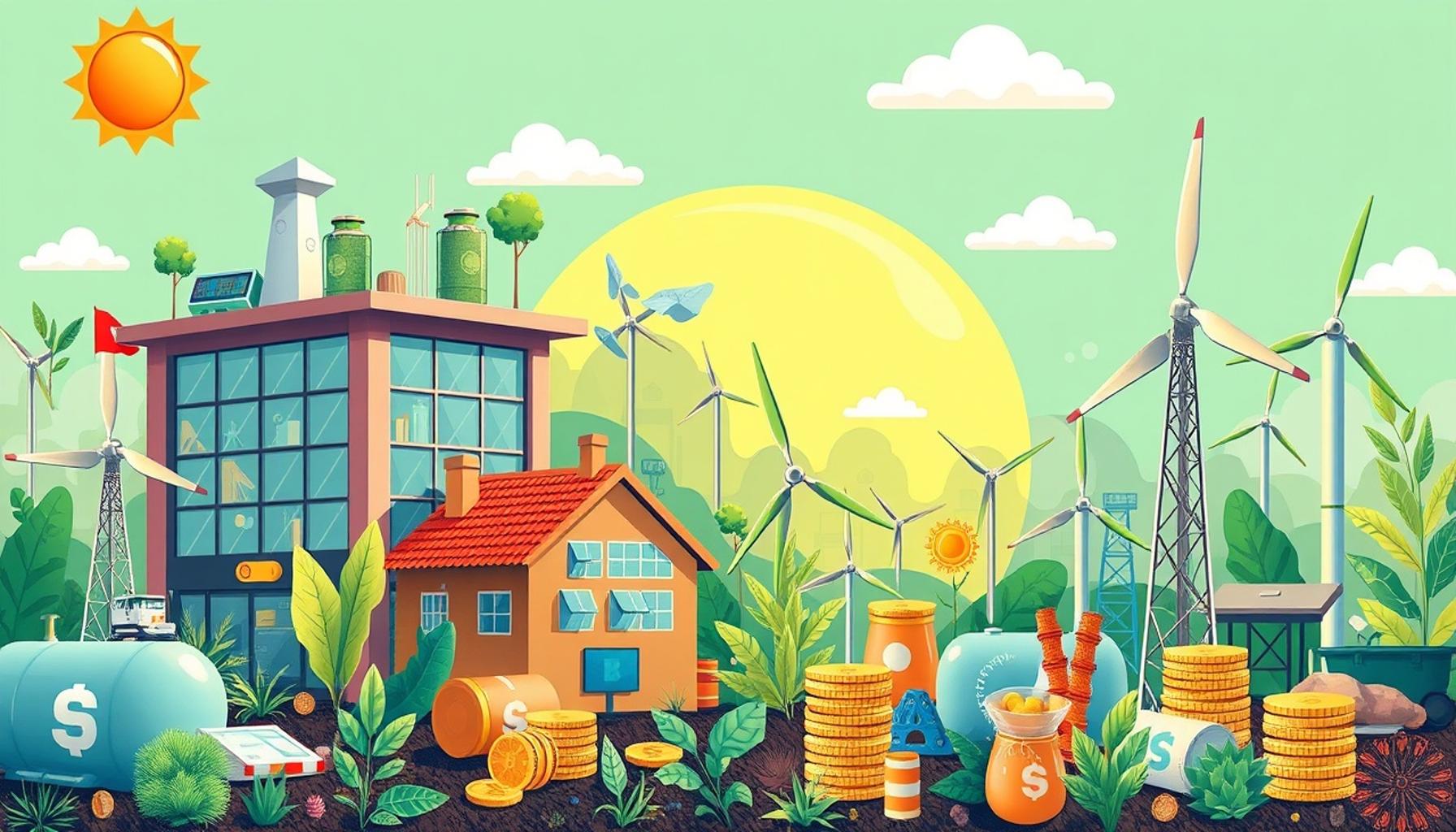
Technological Innovations Driving the Shift Towards a Green Economy
The global landscape is changing, and as environmental challenges intensify, there is an increasing reliance on technological innovations to mold a sustainable energy future. Exploring how technology is pivotal in this transformation is crucial for understanding both the benefits and the responsibilities associated with it. Several key trends have emerged as significant contributors to this shift:
Renewable Energy Sources
One of the most promising aspects in the transition towards sustainability is the adoption of renewable energy sources. Technologies harnessing solar, wind, hydro, and geothermal energies are not only becoming more efficient but also more cost-effective. For example, solar panels have seen substantial price drops, making them accessible to many households and businesses across the United States. According to the Solar Energy Industries Association, as of 2022, solar energy accounted for nearly 3% of total electricity generation in the U.S., and this number continues to rise.
Energy Efficiency
Another vital trend is energy efficiency. Innovations in energy-efficient appliances, such as Energy Star-rated refrigerators and LED lighting, significantly lower energy consumption and costs for consumers. Additionally, industries are adopting more efficient manufacturing processes that not only minimize waste but also optimize energy usage. For instance, implementing energy management systems in factories allows companies to track and manage their energy use more effectively, leading to both environmental and financial benefits.
Smart Grids
The development of smart grids has also transformed the landscape of electricity distribution. These advanced technologies enable the efficient management of electricity flow, minimize outages, and enhance the integration of renewable energy sources. By utilizing real-time data, consumers can monitor their energy usage and even shift consumption to times when energy is cheaper and more abundant, such as mid-day for solar energy.
Electric Vehicles
The rise of electric vehicles (EVs) is reshaping the transportation sector and playing a critical role in reducing reliance on fossil fuels. With incentives such as tax credits in place, more Americans are opting for EVs. Tesla, for example, has popularized the concept, making electric cars a staple on U.S. roads. This shift not only reduces greenhouse gas emissions but also lessens air pollution, contributing to healthier communities.
Economic Benefits of Technological Innovations
The widespread implementation of these innovations bears significant economic benefits. Transitioning to clean technologies can:
- Create green jobs: The renewable energy sector is projected to generate millions of jobs, from manufacturing to installation and maintenance.
- Reduce energy costs for consumers: Over time, reliance on renewable sources can lead to lower energy bills as fuel prices become less volatile.
- Enhance energy security: Diversifying the energy mix helps insulate the economy from fluctuations in fossil fuel prices and geopolitical tensions.
The collective journey towards a sustainable energy future is not solely about adopting advanced technology; it also necessitates ongoing collaboration among governments, businesses, and individuals. To foster an eco-friendly environment, understanding and contributing to these innovations is critical for fostering a more sustainable and prosperous world. Embracing technology not only addresses immediate environmental concerns but also ensures that future generations can inherit a healthier planet.
DON’T MISS OUT: Click here to discover how to apply effortlessly
Advancements Shaping the Future of Sustainable Energy
As we journey deeper into the 21st century, it is evident that the importance of sustainable energy cannot be overstated. The shift towards a green economy is not merely a trend; it is essential for combating climate change and preserving our planet for future generations. At the heart of this transformative movement are various technological advancements that play vital roles in making sustainable energy not only achievable but also practical. Let’s examine how these innovations impact our energy landscape.
Solar Energy Technologies
Solar energy stands out as one of the foremost sources of renewable energy, and recent advancements have made it increasingly viable for everyday use. Innovations such as solar photovoltaic (PV) panels, which convert sunlight directly into electricity, are now widely adopted. In addition, the development of solar thermal technologies enables the harnessing of heat from the sun for applications ranging from residential heating to large-scale industrial processes. Furthermore, breakthroughs in energy storage solutions, such as advanced battery technologies, allow households and businesses to store excess solar energy for use during non-sunny periods, ensuring a steady supply of power.
Wind Energy Innovations
Wind energy has also seen remarkable growth, largely due to technological advancements that improve turbine design and efficiency. Today’s wind turbines are taller, more efficient, and designed to capture wind energy in a variety of locations. For example, innovations in offshore wind farms have enabled the generation of larger amounts of electricity beyond the reach of land-based turbines. As a result, the potential for harnessing wind energy continues to expand, especially along coastlines that experience consistent winds.
Energy Storage Systems
Central to the effectiveness of renewable energy is the ability to store energy for later use, and here, energy storage systems are critical. Technologies such as lithium-ion batteries have become the backbone of many renewable energy systems, providing reliable storage solutions for both homes and industrial applications. These systems enable energy to be stored when production is high—such as during sunny or windy days—and used when demand peaks, thus ensuring a more stable and reliable energy supply.
Smart Home Technologies
The rise of smart home technologies is another key development in the transition to sustainable energy. With devices like smart thermostats, home energy management systems, and smart appliances, consumers can monitor and control their energy consumption more effectively. For example, a smart thermostat can learn a household’s schedule and optimize heating and cooling to reduce energy waste significantly. This proactive management not only promotes energy efficiency but also helps homeowners save money on their utility bills.
In addition to these innovations, a collective effort is needed to leverage them fully. Through collaboration between governmental bodies, businesses, and communities, the transition to a green economy can be accelerated, fostering a sustainable and resilient energy future. By understanding and adopting these technological advancements, we can create a positive impact on both the environment and the economy.
DISCOVER MORE: Click here for valuable tips
Emerging Technologies Revolutionizing Energy Efficiency
Alongside advancements in solar and wind energy, several emerging technologies are significantly contributing to the quest for a sustainable energy future. These innovations not only augment the efficiency of renewable energy sources but also aim to optimize consumption, reduce waste, and support the transition towards a green economy.
Smart Grid Technology
The concept of a smart grid transforms our traditional power grid into a more intelligent and responsive system. By using advanced sensing and communication technologies, smart grids enable two-way energy flows between utilities and consumers. This flexibility allows consumers to adjust their energy usage based on real-time pricing and demand. For instance, during peak times when energy costs surge, consumers can opt to power down their appliances or reschedule energy-intensive tasks, such as running laundry machines or charging electric vehicles, to off-peak hours. As a result, smart grid technology not only promotes energy conservation but also helps in reducing the overall load on the energy grid.
Electric Vehicles (EVs) and Charging Infrastructure
The rise of electric vehicles (EVs) plays a crucial role in lowering greenhouse gas emissions from the transportation sector. As technology progresses, EVs are becoming more accessible and affordable for the average consumer. Major automobile manufacturers in the United States, like Tesla, Ford, and General Motors, are ramping up their production of electric vehicles, pushing for broader adoption. However, a challenging aspect of this transition is the need for a comprehensive charging infrastructure.
Recent advancements in charging technology, such as fast-charging stations and wireless charging, make it easier for EV users to recharge on the go. Some cities are investing in public charging networks to ensure convenient access and encourage the use of electric vehicles. As the infrastructure continues to expand, it will reduce range anxiety and make electric vehicles a more practical option for consumers.
Energy-Efficient Building Technologies
As construction practices evolve, there is a significant push towards energy-efficient building technologies. Innovations like advanced insulation materials and smart windows that adjust to the sun’s intensity contribute to reducing energy consumption in buildings. For example, using reflective coatings on windows can help keep buildings cooler in the summer, lessening the reliance on air conditioning systems.
Moreover, integrating renewable energy sources like solar panels into building designs is becoming increasingly common. Initiatives such as net-zero homes, which generate as much energy as they consume, are being embraced in many suburban areas across the United States. These homes represent a forward-thinking approach to sustainable construction, proving that energy efficiency and renewable energy can coexist harmoniously.
Biomass and Biofuels
Another noteworthy technological innovation in the transition to sustainable energy is the use of biomass and biofuels. Biomass—organic materials such as wood, agricultural crops, and waste—can be converted into biofuels for transportation and heating. This process not only provides an alternative energy source but also aids in reducing waste. With advancements in agricultural technologies and fermentation processes, biofuel production can be made more efficient and economically viable.
In the United States, the shift towards biofuels has been significantly supported by governmental policies, such as the Renewable Fuel Standard, which mandates the use of renewable fuels. This has led to a burgeoning market for biofuels derived from plant materials and waste oils, contributing positively to energy diversification and security.
In summary, the ongoing innovations across various sectors of energy production and consumption hold the key to accelerating our transition towards a sustainable energy future. By continuously adopting and enhancing these technologies, we can set the stage for a greener, more resilient economy that benefits both the environment and society as a whole.
DISCOVER MORE: Click here to enhance your savings strategy
Conclusion
In conclusion, the journey towards a green economy is increasingly shaped by groundbreaking technological innovations that are transforming the landscape of sustainable energy. As we have explored, advancements in areas such as smart grid technology, electric vehicles, energy-efficient building designs, and biofuels are pivotal in making renewable energy accessible and practical for everyday consumers. Each of these innovations not only addresses environmental concerns but also empowers individuals and communities to make more informed choices about their energy usage.
The integration of these technologies into our lives represents a significant shift from traditional energy practices to a model that prioritizes sustainability. For instance, the growth of smart grids effectively enables consumers to manage their energy consumption dynamically, while the proliferation of electric vehicles reassures us that cleaner transportation options are within reach. Furthermore, innovative building strategies underscore the importance of reducing our overall energy footprint, paving the way for a future where energy-efficient living becomes the norm rather than the exception.
As we continue on this vital path, collaboration between governments, businesses, and individuals is essential to overcome existing challenges and accelerate the implementation of these technologies. By investing in education and awareness, we can equip future generations with the knowledge and tools needed to contribute to a sustainable energy transition. Ultimately, embracing these innovations not only enriches our economy but also enhances the quality of life for all, ensuring a healthier planet for future generations.

Linda Carter
Linda Carter is a writer and expert known for producing clear, engaging, and easy-to-understand content. With extensive experience in guiding people as they pursue their goals, she shares valuable insights and practical advice. Her mission is to help readers make informed choices and achieve meaningful progress.